Related Posts

General News Blog
My WordPress Blog
My WordPress Blog
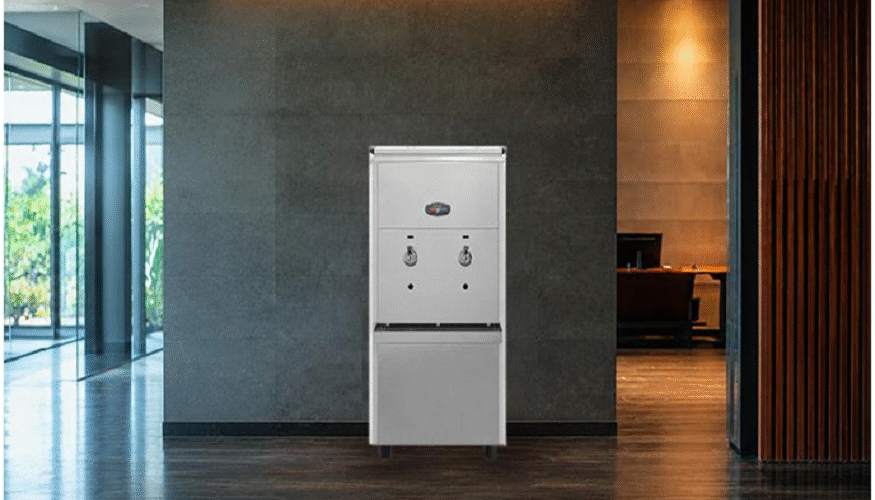
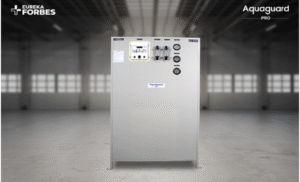
Setting up a commercial reverse osmosis system is a major decision for your facility. Once you invest in an RO plant, you naturally want to know how many years of reliable performance you will get out of it. Commercial RO plants rely on semi-permeable membranes to strip out heavy metals, dissolved salts, chemicals, and bacteria from raw water.
No two purification systems wear out at the same speed. Here are the main factors that determine how long your unit lasts:
Units built with high-grade fittings and top-tier membranes handle continuous pressure a lot better. Buying cheaper replacement parts for commercial RO Plants is not as cost-effective as you might think. These components tend to fail earlier and need frequent replacements.
Read More : What Happens If You Don’t Change Your Air Filter On Time?
The state of your raw water supply directly affects the health of your water purifier. If your water source contains hard minerals, heavy sediments, or harsh chemicals, your system has to work twice as hard. Such impurities clog the internal filters very quickly.
The amount of water your facility uses every day is another factor influencing the lifespan of the unit. If you run a high-traffic space like a school, office, factory, or clinic, your unit works almost continuously. Higher daily consumption increases the risk of wear and tear on pumps, valves, and filtration media.
Your RO plant needs a steady supply of electric current to keep water moving at the right pressure. Frequent power cuts or voltage spikes can easily strain control panels and booster pumps. A simple surge protector can do the trick when it comes to being safe from voltage surges.
Replacing these internal components on schedule keeps your purification system running efficiently and ensures a steady supply of clean, cooler water for your facility.
Pre-filters trap larger particles like sand, dirt, rust, and heavy sediments before water reaches the sensitive inner parts. Depending on your incoming water quality and daily usage, you should plan to replace pre-filters every 6 to 12 months.
It removes tiny dissolved solids, heavy metals, and microscopic contaminants. Because pre-filters protect it from heavy debris, a high-quality membrane typically lasts between 2 and 3 years. Let your pre-filters get overly clogged, and dirty water will bypass them to ruin your main membrane.
You do not have to wait for your RO plant to break down to take action. Following a few simple habits will help you get maximum value out of your equipment over its entire lifecycle.
Read More : Types Of Geysers: Which One Actually Fits Your Home?
At the end of the day, a commercial RO plant is an investment in your team and daily operations. With just a little consistent care, timely filter swaps, and periodic checkups, you can count on your system to run smoothly for 3 to 5 years. Taking care of the small details along the way protects your equipment, spares you from sudden headaches, and keeps clean cooler water flowing every single day.